

5 Warning Signs Your Tree Is Dying (And What To Do About It)

You’ve invested in your landscape—lush lawns, sculpted hedges, and majestic trees. But even the healthiest-looking tree can be in trouble beneath the surface. Catching early warning signs not only preserves your home’s curb appeal and value, it keeps your family and property safe. Below are five easy-to-spot red flags that your tree may be dying—and simple steps you can take right now.
1. Bare or Sparse Foliage
Even in spring or summer, if large sections of your tree remain leafless, that’s a red flag. Healthy trees produce a full canopy; thinning leaves or bare branches can signal root damage, disease, or pests.
What to look for: Skeleton-like branches, small or shriveled leaves.
Why it matters: Fewer leaves mean less energy production, weakening the tree over time.
2. Cracked or Peeling Bark
Bark protects your tree’s “skin.” When it cracks, peels, or falls away in large patches, the tree loses its natural barrier against insects, fungus, and weather damage.
Common causes: Sunscald, frost cracks, disease.
Homeowner check: Gently press around the crack—if the wood beneath is dry or brittle, your tree needs attention.
3. Fungal Growth at the Base
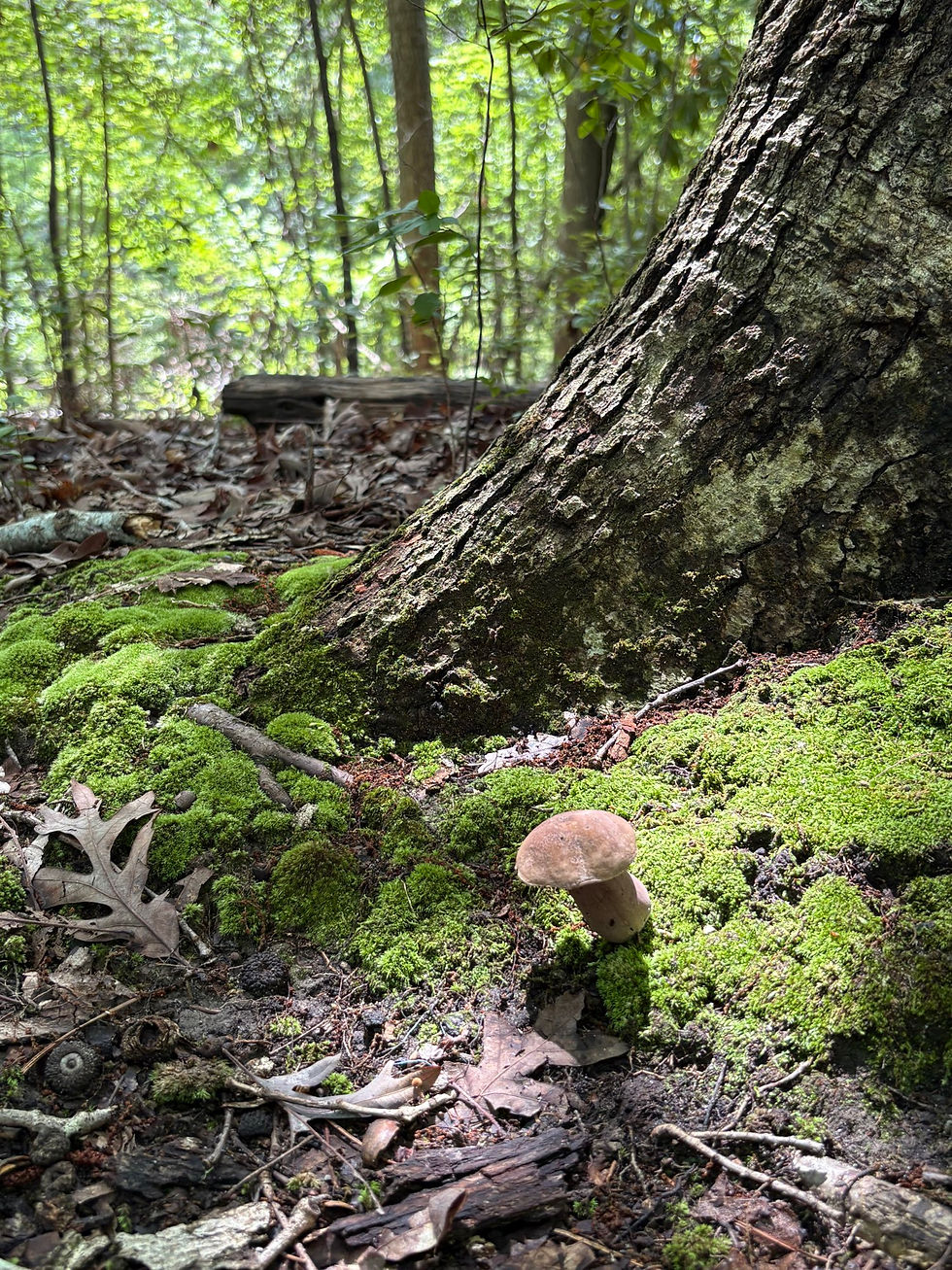
Mushrooms or bracket fungi sprouting near the trunk are often symptoms of internal rot. While some fungi are harmless, many feed on decaying wood, compromising structural integrity.
Signs to watch: Clusters of mushrooms, shelf-like brackets, powdery spore dust.
Why it matters: Internal decay can lead to sudden limb failure or full collapse.
4. Leaning Trunk or Major Limbs
A slight lean can be normal, but a sudden or worsening tilt indicates root issues—or that the soil around your tree has shifted. Heavy limbs dragging the tree off-balance also raise concern.
Quick test: Drill a small hole on the side opposite the lean. If water pools in the hole, roots may be damaged or rotting.
Safety note: Leaning trees near structures or walkways pose a higher risk—don’t delay in assessing them.
5. No New Growth in Spring
Spring is your tree’s comeback season. If buds don’t swell or new shoots fail to appear, the tree may be struggling to recover from winter stress, disease, or root damage.
DIY check: Scratch a small patch of bark with your fingernail. Green beneath means it’s alive—brown or dry indicates dead tissue.
Next step: Mark those branches for pruning or further evaluation.
What to Do Next?
Spotting trouble early gives you options. Here’s how to act before a small problem becomes a major expense:
Keep the area clean: Remove fallen leaves and limbs to reduce disease spread.
Water wisely: Deep-soak during dry spells rather than frequent shallow watering.
Prune dead wood: Trim away obvious dead branches to reduce weight and disease risk.
Monitor regularly: Schedule a quick visual check each season to catch new warning signs.
Call a professional: For any sign above, book a certified arborist inspection. They’ll diagnose the issue and recommend treatments or safe removal if necessary.
Ready to protect your investment?
If you’ve spotted any of these warning signs or just want peace of mind. Our certified arborist will provide a full assessment and personalized care plan to keep your landscape thriving.


Comments